The Seeds of Emancipation
In the 1780s and 1790s, some enslavers in Virginia and Maryland voluntarily emancipated enslaved people, but the call for abolition never expanded further south. Throughout northern states, especially New England, freedom petitions became a common practice that was based on English common law. Freedom petitions were legal documents that enslaved people submitted to either courts or the state legislature to request their freedom. Enslaved people signed these petitions, linking their cries for freedom to those of the Revolution. Pennsylvania passed the first Gradual Abolition Act in 1780.
In 1773, Prince Hall, a free Black man living in Boston, submitted a petition to the state legislature calling for the end of slavery in Massachusetts. Four years later, Hall used the Declaration of Independence, with its call for natural rights, to write a new petition on behalf of seven enslaved Black men. While this second petition also failed, the Massachusetts Supreme Judicial Court ruled in 1783 that slavery was unconstitutional.
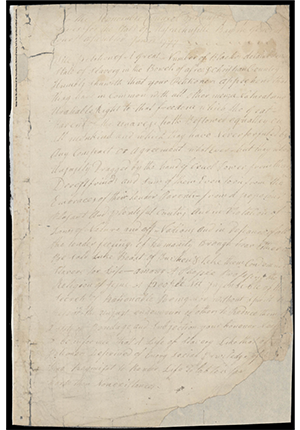
Petition to the Massachusetts Legislature (1777).
TAKE NOTES
Read Prince Hall's abridged 1777 Petition to the Massachusetts Legislature and answer the questions.

