Module 1: What is the science of reading?
The Reading Brain
To understand the profound impact of reading on the human brain, consider this quote from Proust and the Squid: The Story and Science of the Reading Brain by Maryanne Wolf:
"We were never born to read. Human beings invented reading only a few thousand years ago. And with this invention, we rearranged the very organization of our brain, which in turn expanded the ways we were able to think, which altered the intellectual evolution of our species."
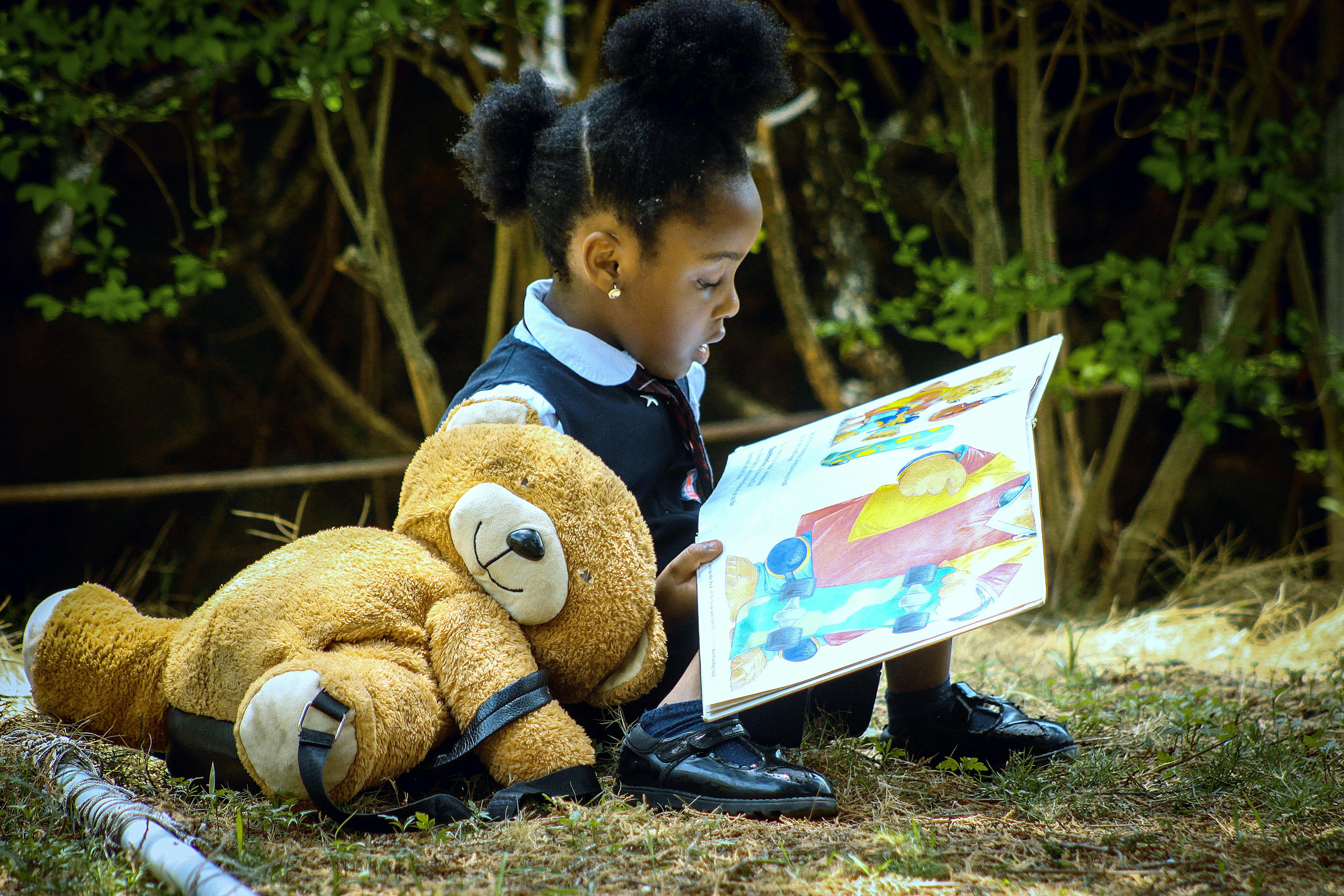
As Maryanne Wolf, a prominent cognitive neuroscientist and reading expert, explains, reading is not a natural skill that humans are born with but rather a remarkable invention that has fundamentally reshaped our brains and our intellectual capabilities. Here are some key ideas to note about the reading brain.
|
|
Reflect
- What aspects of the evolution of the reading brain resonated with you the most, and why?
