Introduction
On March 31, 1776, before the Declaration of Independence had been written, Abigail Adams wrote a letter to her husband, John Adams, a lawyer and delegate to the First and Second Continental Congresses. In this letter, she urged her husband to ensure that Congress codified greater legal rights for women. “I desire you would Remember the Ladies,” she wrote, “and be more generous and favourable to them than your ancestors. Do not put such unlimited power into the hands of the Husbands. Remember all Men would be tyrants if they could. If perticuliar care and attention is not paid to the Laidies we are determined to foment a Rebelion, and will not hold ourselves bound by any Laws in which we have no voice, or Representation.”
The American Revolution, the Declaration of Independence, and, eventually, the creation of a new form of government under the Constitution created a new world of possibilities. The quest for liberty emboldened marginalized groups to see their own pursuit of liberty and justice, and they actively debated and questioned how to build a society built not on a monarchy, but on principles of Republicanism. In this new society, it seemed possible that everyone could have a voice.
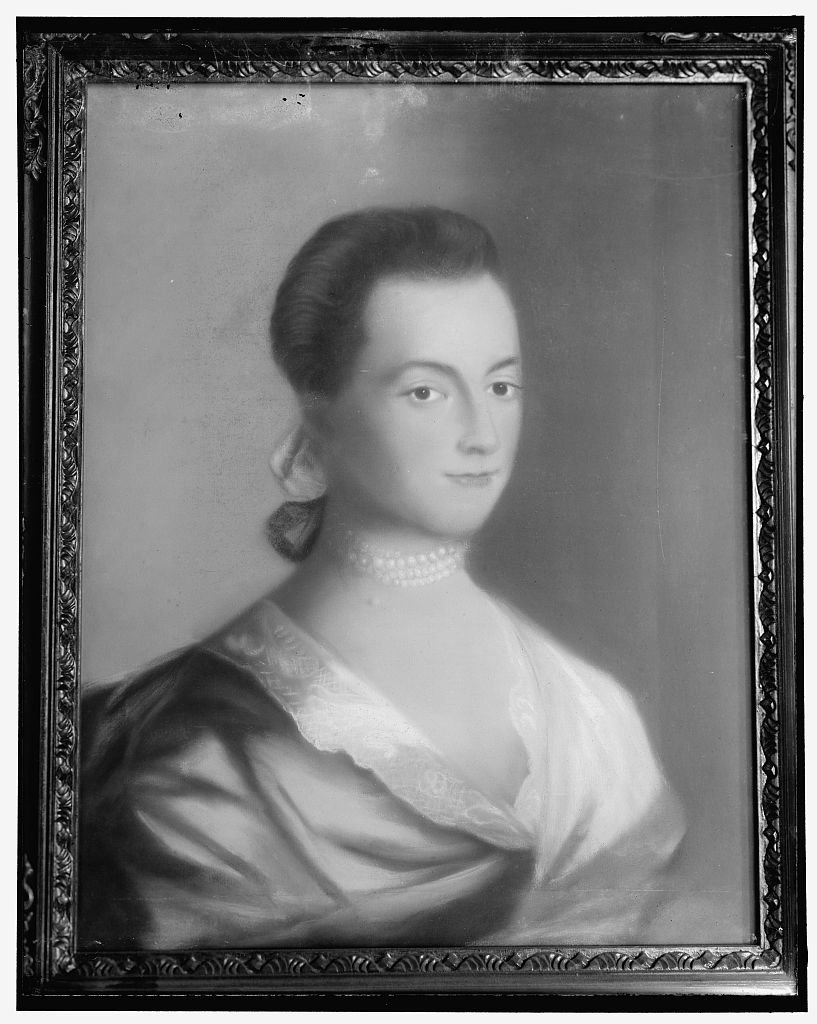
Portrait of Abigail Smith Adams.
—Letter from Abigail Adams to John Adams, March 31, 1776, in her call for emancipation of enslaved people.
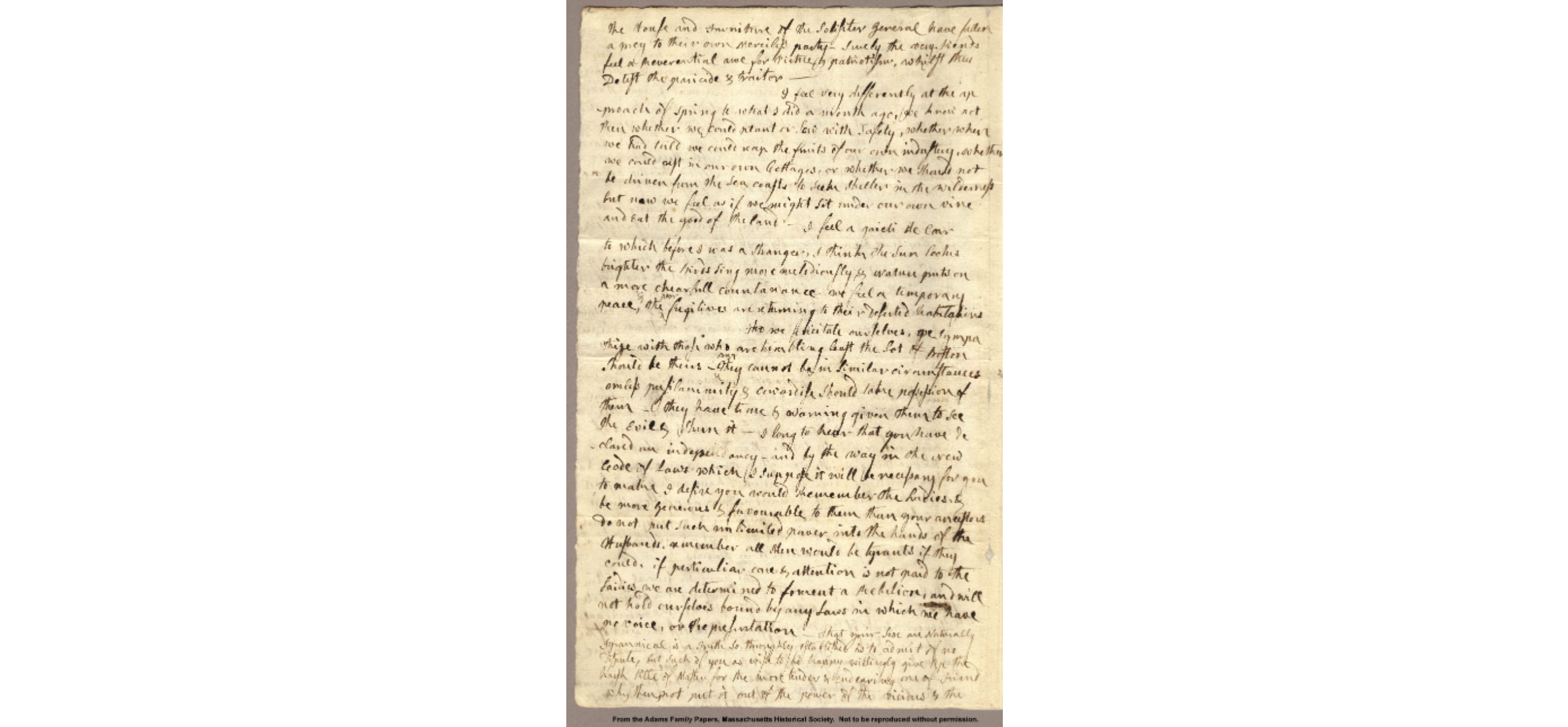
Letter from Abigail Adams to John Adams, 31 March–5 April, 1776. While this letter is most famous for Abigail’s call for greater liberty for women, she also wrote about the evils of slavery.
In this lesson, you will learn about the ideals and civic values set in motion in the Early Republic. Liberty, freedom, justice, and natural rights were widely debated, negotiated, and contested by Americans who sought religious freedom, abolitionists, Indigenous nations, and women. All of these groups were trying to navigate the principles of a new nation. At the end, you will answer the essential question.
Essential Question
How did Americans in the Early Republic negotiate and help determine the founding principles of the nation?

