Elizabeth Key
Elizabeth Key was born in 1630 in Virginia to an enslaved mother and White owner, Thomas Key. As a child, she was traded to different enslavers. During her time with her third enslaver, she had a child with a White indentured servant named William Grinstead.
When Grinstead completed his servitude, he became a lawyer and represented Key in a 1655 lawsuit that she initiated against the Virginia colony. At the time, Virginia law asserted that the legal status of enslaved people followed that of their father. With Grinstead as her lawyer, Key sued for her freedom. One hundred years before Thomas Jefferson argued that all men had the right to liberty, Key argued that under Virginia law, she should be free because her father was a free English man. In addition, she sued on the basis of another Virginia law that held that enslaved people who were baptized were to be freed. Key insisted that her conversion to Christianity and subsequent baptism further supported her argument against her enslavement under the law.
Key won her case in 1657. Her victory led not only to her freedom but also to her child’s freedom from slavery. Her success served as a precedent, inspiring other individuals with similar backgrounds to pursue similar legal actions.
Unfortunately, the backlash to Key’s victory was swift, and the Virginia colony passed stricter enslavement statutes. In 1662, the legislature passed a law that made a child of an enslaved mother also enslaved for life. Further, a 1667 law said that being baptized would not grant an enslaved person their freedom.
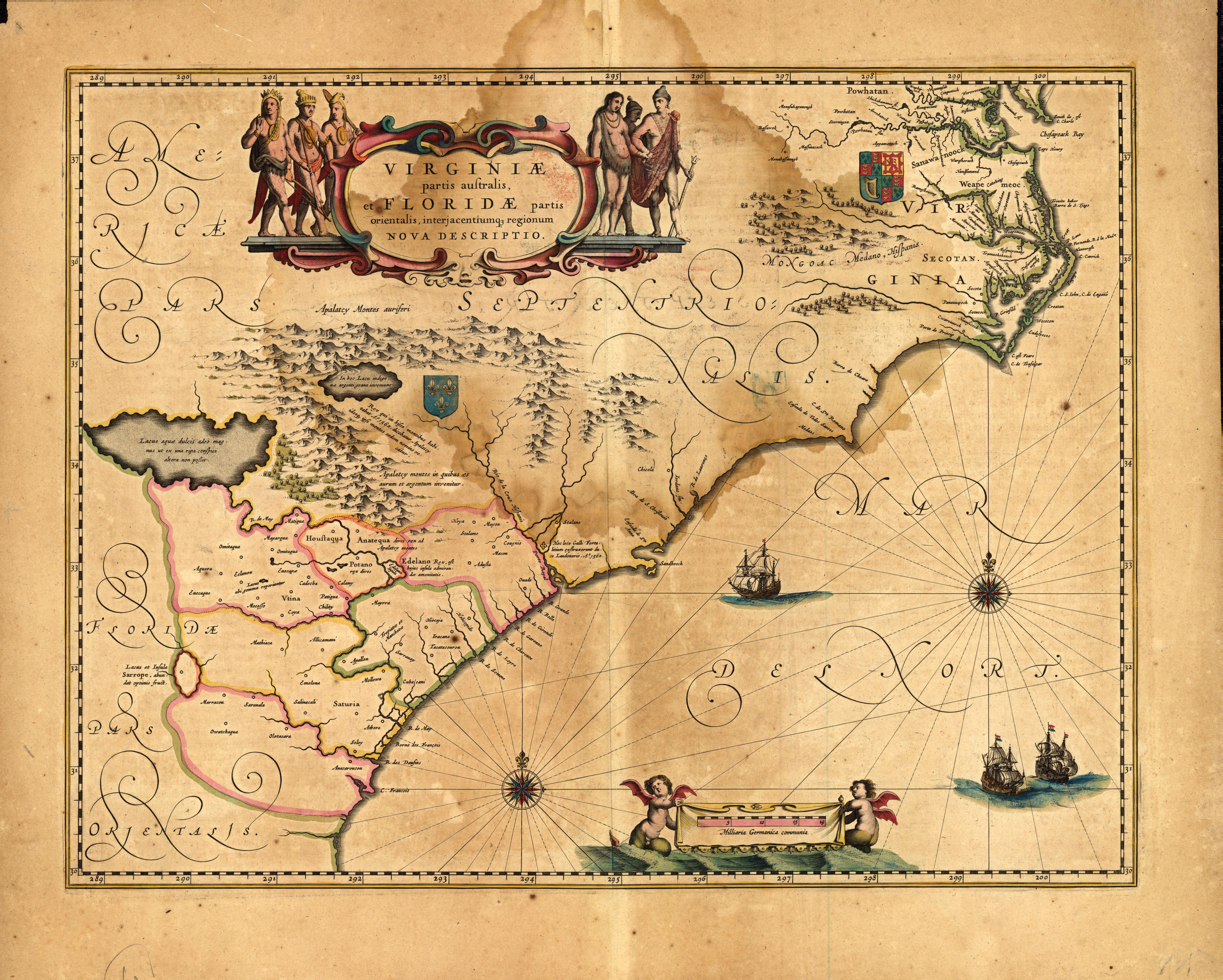
Map of Virginia Colony and Florida, 1644. Click to enlarge.
Click the + to view a transcript of the 1662 law declaring that a child of an enslaved mother would also be enslaved for life.
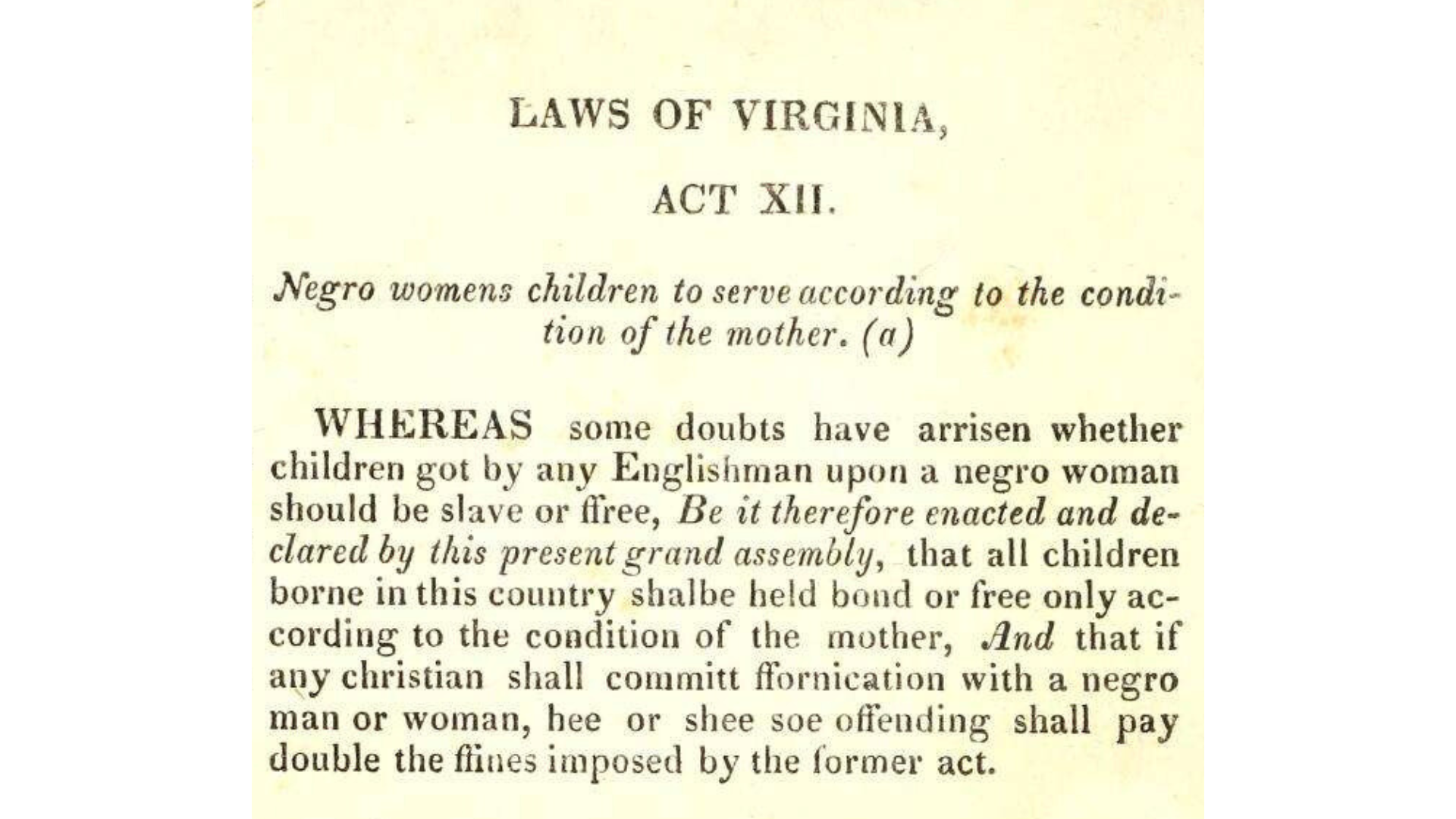
Note: This transcript includes English words as they were spelled when the document was written.
– Laws of Virginia, Act XII, 1662

