Introduction
Proslavery supporters before and after the Civil War tried to justify the enslavement of over 4 million Black people by creating falsehoods about the institution of slavery. One persistent myth that still lingers today is that of the “happy slave”: content with enslavement and living in a falsely romanticized version of plantation life. Although we know that enslaved people resisted slavery—and that many sought their freedom by engaging in slave rebellions, escaping, and enlisting as Union soldiers during the Civil War—historians tend to focus on the men who pursued such means.
However, enslaved Black women also took an active role in pursuing their freedom. In addition to participating in almost every recorded slave rebellion that took place in the American colonies and states, assisting or guiding runaways, and supporting the Union army, some enslaved Black women also sued for their legal freedom in the courts. In their arguments, they used language and ideas from colonial law and state constitutions. In many cases, their efforts helped secure the freedom of those who came after as well.
Although we are still uncovering such stories, this lesson will focus on five enslaved women who were met with different degrees of success as they tried to use the courts to secure their freedom.
Essential Question
How did enslaved women use the judicial system to obtain their freedom?
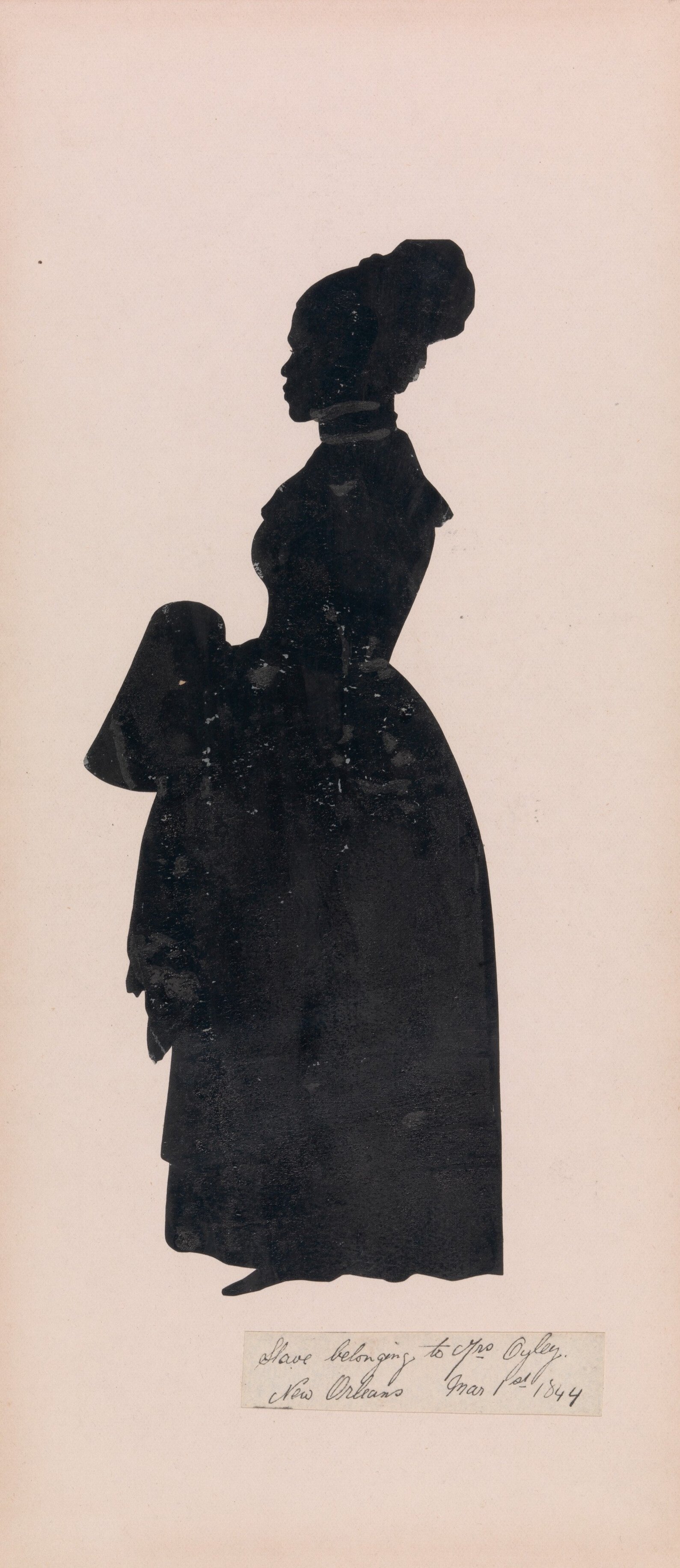
"Enslaved Woman," a silhouette by French artist Auguste Edouart, New Orleans, 1844.

