Survivors: Support and Challenges
In the months after 9/11, patriotism grew and Americans were especially unified in supporting those most impacted by the attacks.
The national outpouring of help was vital because 9/11 costs and challenges were immense, especially for the families of those killed, the injured, and those involved with rescue, recovery, and cleanup efforts. A sample of the aid provided in the wake of 9/11 includes:
- financial support for victims’ families, who had funeral expenses and income loss
- physical and mental health care for survivors and first responders
- medical support related to illnesses from toxic exposure at the World Trade Center site
- legal aid for navigating insurance and other claims
National funding efforts raised billions of dollars:
- The American Red Cross raised over 1 billion dollars, and other charitable organizations raised a similar amount.
Just three days after the attacks, in a nearly unanimous vote, the U.S. Congress passed a 40-billion-dollar funding package to support many efforts related to victims, cleanup, and rebuilding. - Ten days after the attacks, musicians came together in the America: A Tribute to Heroes Concert, which was televised in the United States and Canada. Famous entertainers spoke and answered fundraising phones. Over 150 million dollars was raised to support 9/11 causes.
Local groups also contributed. Examples of local support include the following:
- In New York City, many restaurants provided free meals to workers, even closing their businesses to regular customers and instead staying open 24 hours a day, with volunteer support, to support those working at the site.
- The Massachusetts 9/11 Fund was created to provide direct services, information, referral, community building, and advocacy for the Massachusetts families of those who died in the attacks. The fund derives its financial support in large part from the sale of United We Stand state license plates and uses this money to memorialize those lost and to educate students and teachers about the 9/11 terrorist attacks.
Support for those harmed by 9/11 continues today. Long-term health issues are prevalent among first responders, workers, volunteers, and those who lived near the site of the World Trade Center collapse. The debris, also called “the pile,” was massive and contained toxic chemicals that have been linked to multiple illnesses.
While the federal government has passed laws to support those with long-term health issues, the funding has been threatened repeatedly. Advocates for those affected by long-term illness, including comedian Jon Stewart, continue to lobby Congress to prioritize this funding.
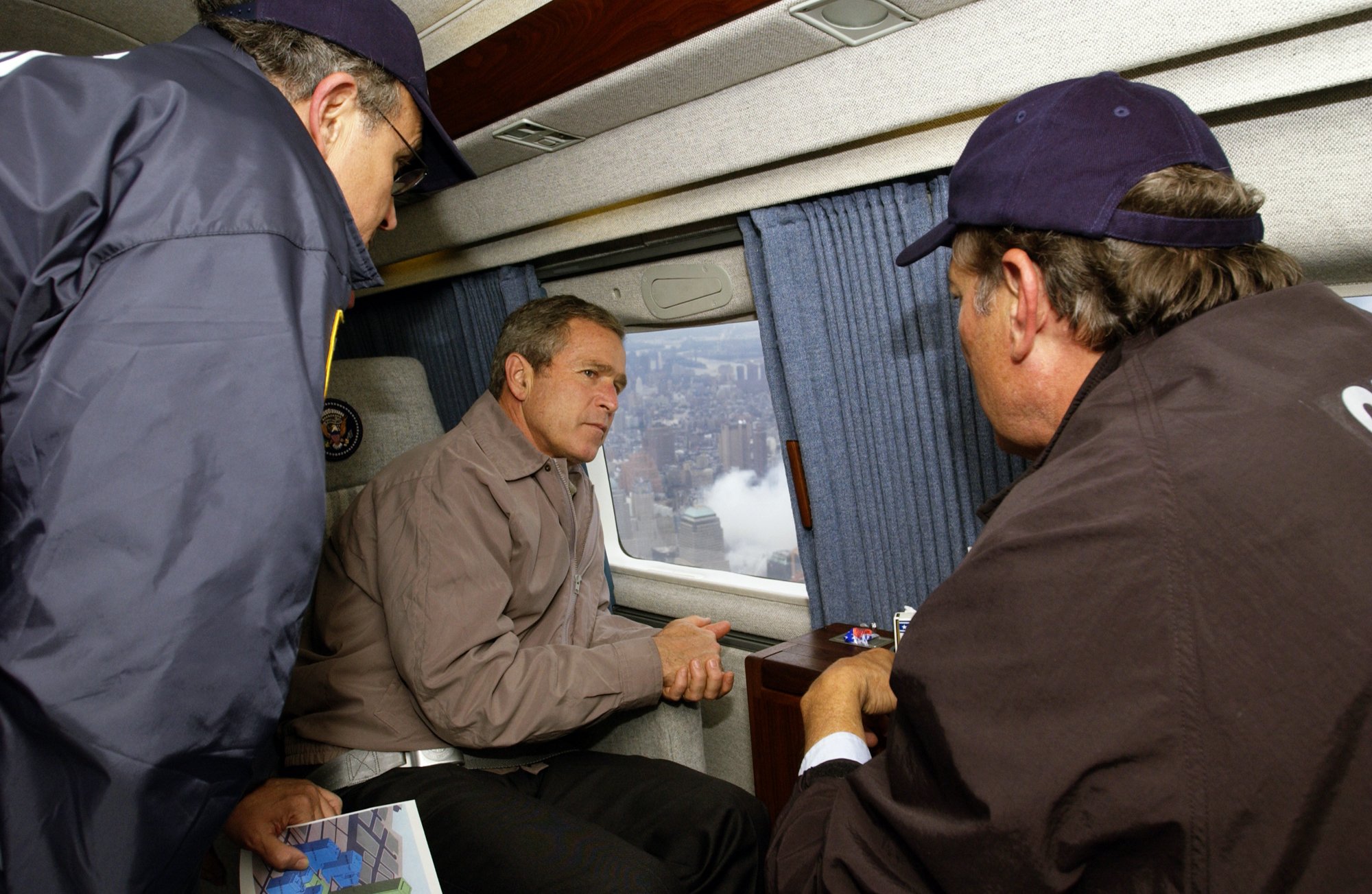
President Bush, New York governor George Pataki, and New York City mayor Rudy Giuliani tour Ground Zero aboard Marine One on Friday, September 14, 2001.
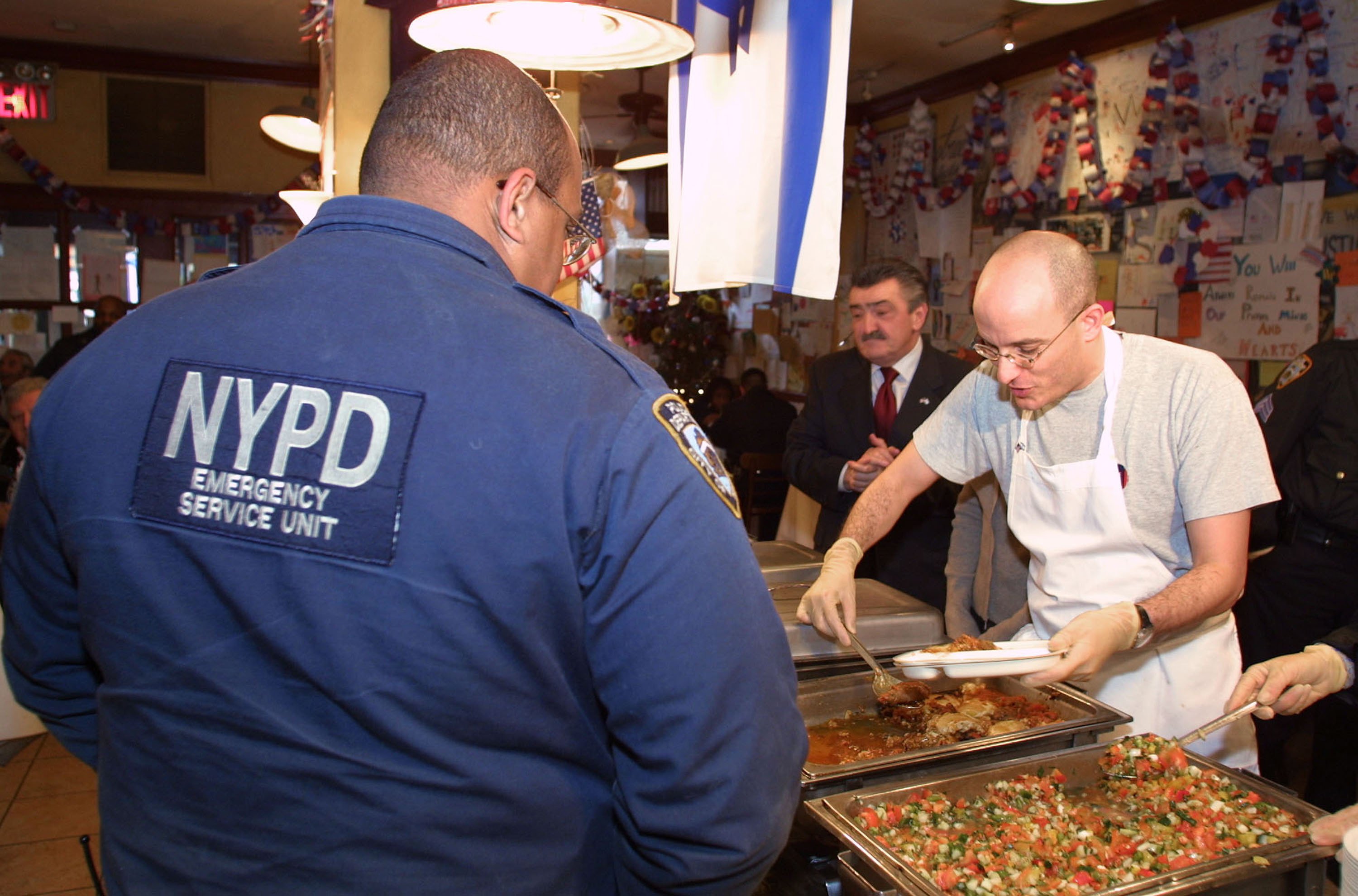
Nino’s Restaurant served over 500,000 free meals to those working at Ground Zero in the months following 9/11.
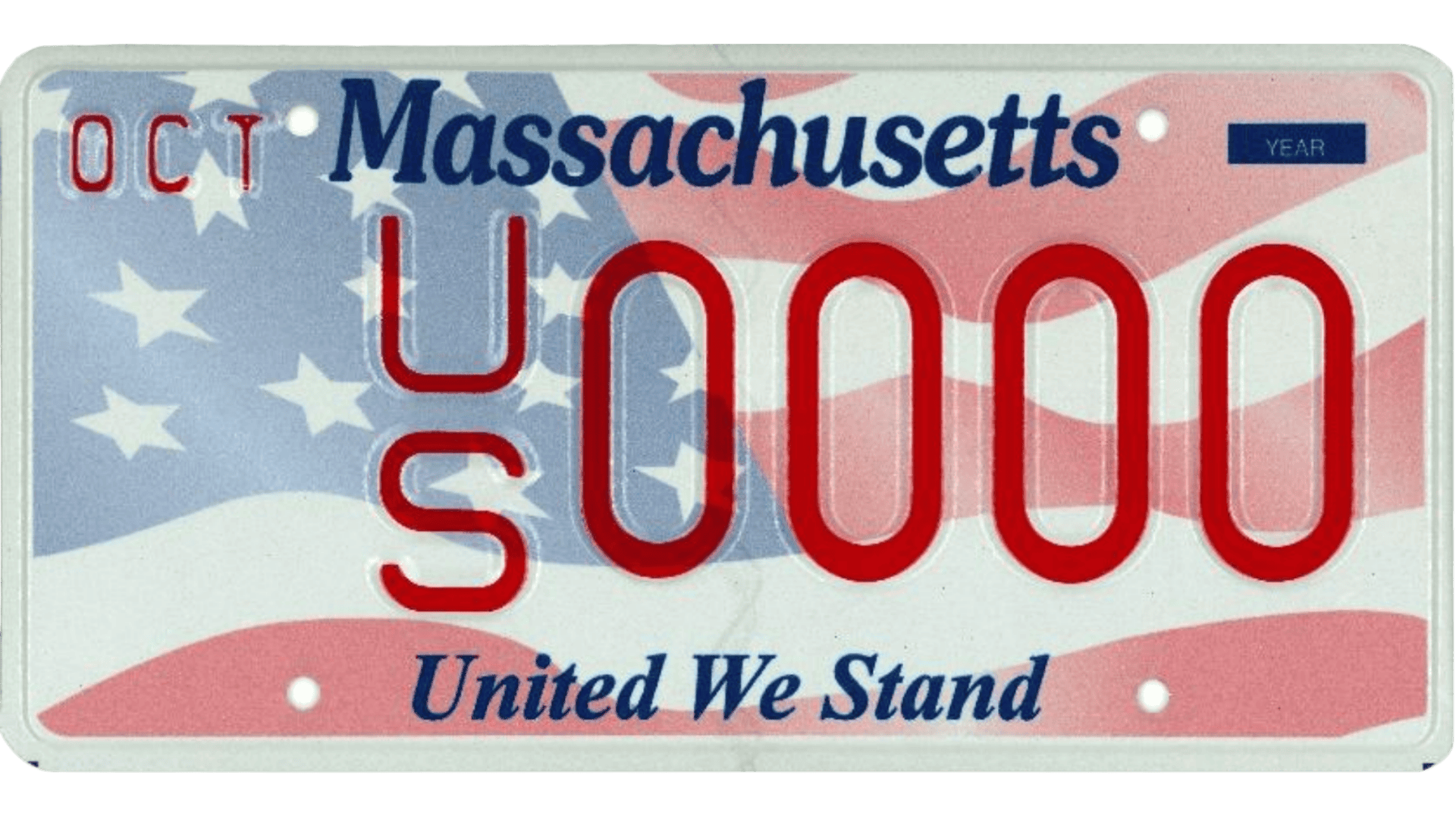
Sales from the United We Stand license plate help support the Massachusetts 9/11 Fund.
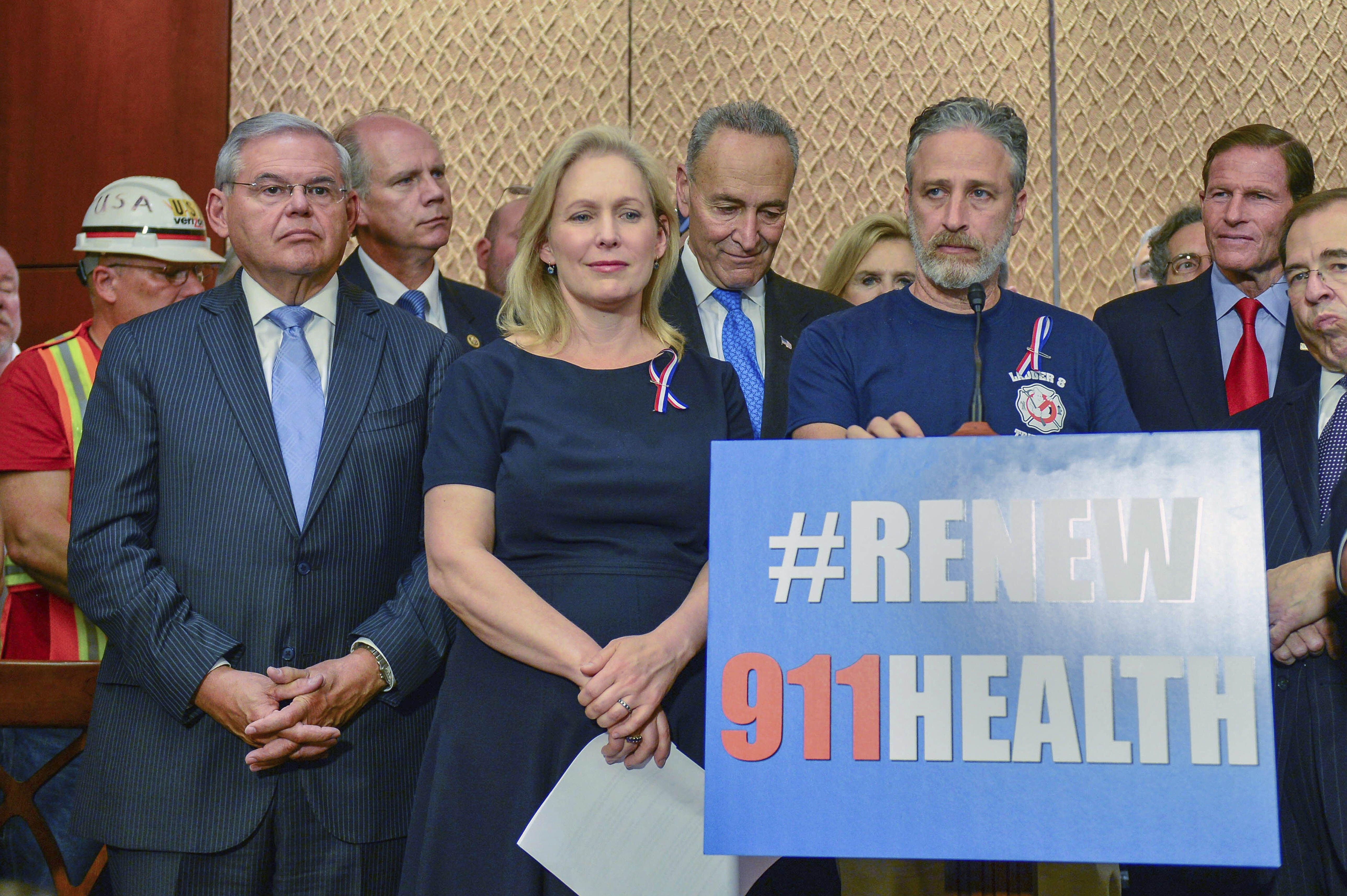
Jon Stewart with U.S. Senators.
Take Notes

