Harriet Scott
Not all women, however, were successful in their legal efforts.
Harriet Robinson was born into slavery in Virginia in about 1815. During the early 1830s, her owner, Lawrence Taliaferro, took her to Fort Snelling in the Northwest Territory (in present-day St. Paul, Minnesota), despite the prohibition of slavery there. In 1837, she wed Dred Scott, who was enslaved by a military surgeon, John Emerson. Ownership of Robinson was transferred to Emerson.
Over the following years, Emerson relocated the Scotts between territories where slavery was allowed and others where it was prohibited. After Emerson's death in 1843, his wife sent the Scotts back to St. Louis from Fort Snelling, where they were once again hired out to work for others. The couple submitted separate appeals, which were eventually consolidated into a single case, to the St. Louis Circuit Court, arguing that their time residing in the free territory entitled them to freedom. Several free states had legislation stipulating that if an enslaved person had lived there for a specific period with the owner's consent—as was the case for both Scotts—they would attain their freedom.
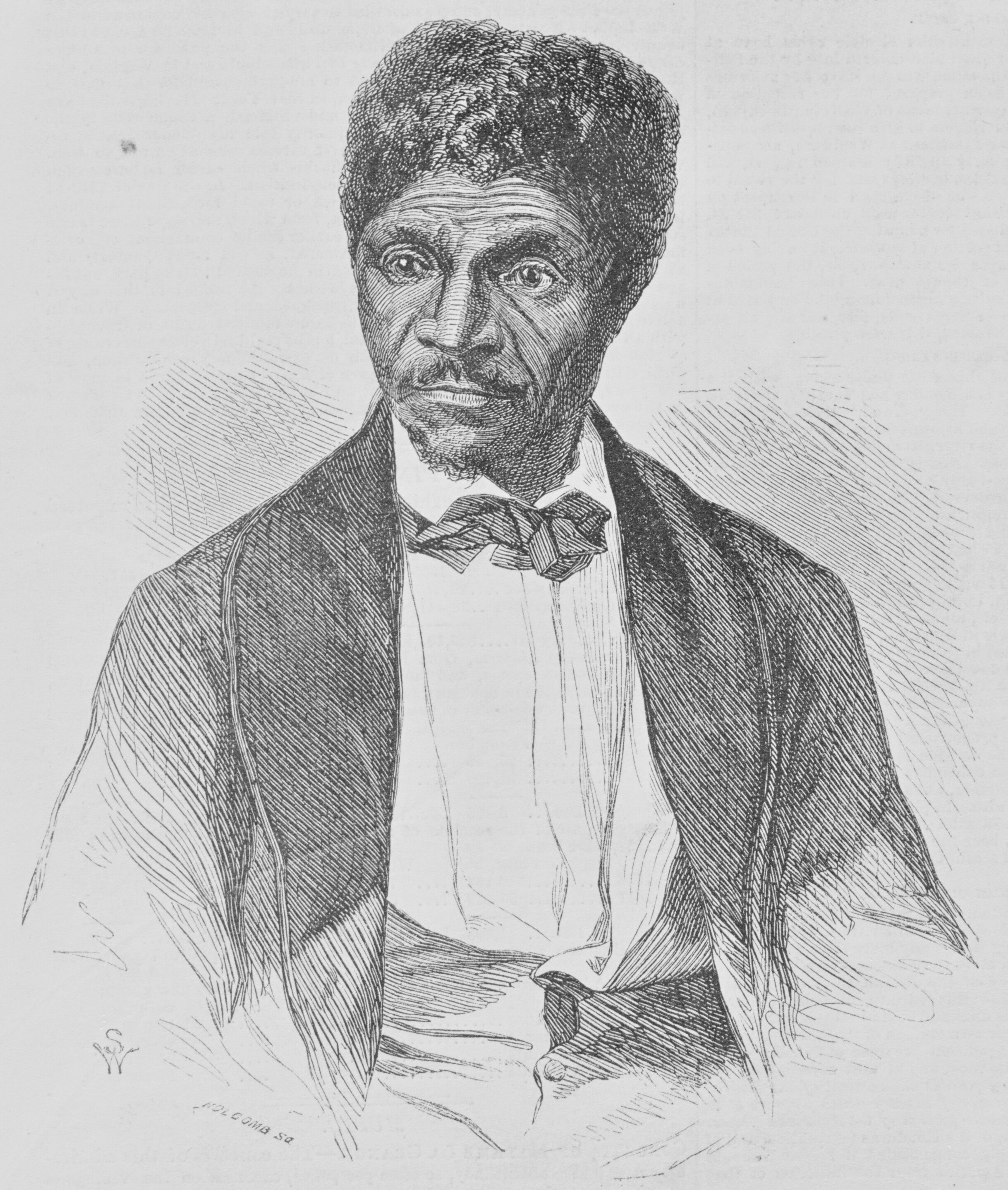
Portrait of Dred Scott, 1857.
Harriet and Dred Scott were eventually emancipated in 1857 by their enslaver at the time, Taylor Blow.
Click the + to view an artifact of the Dred Scott v. Sandford case.
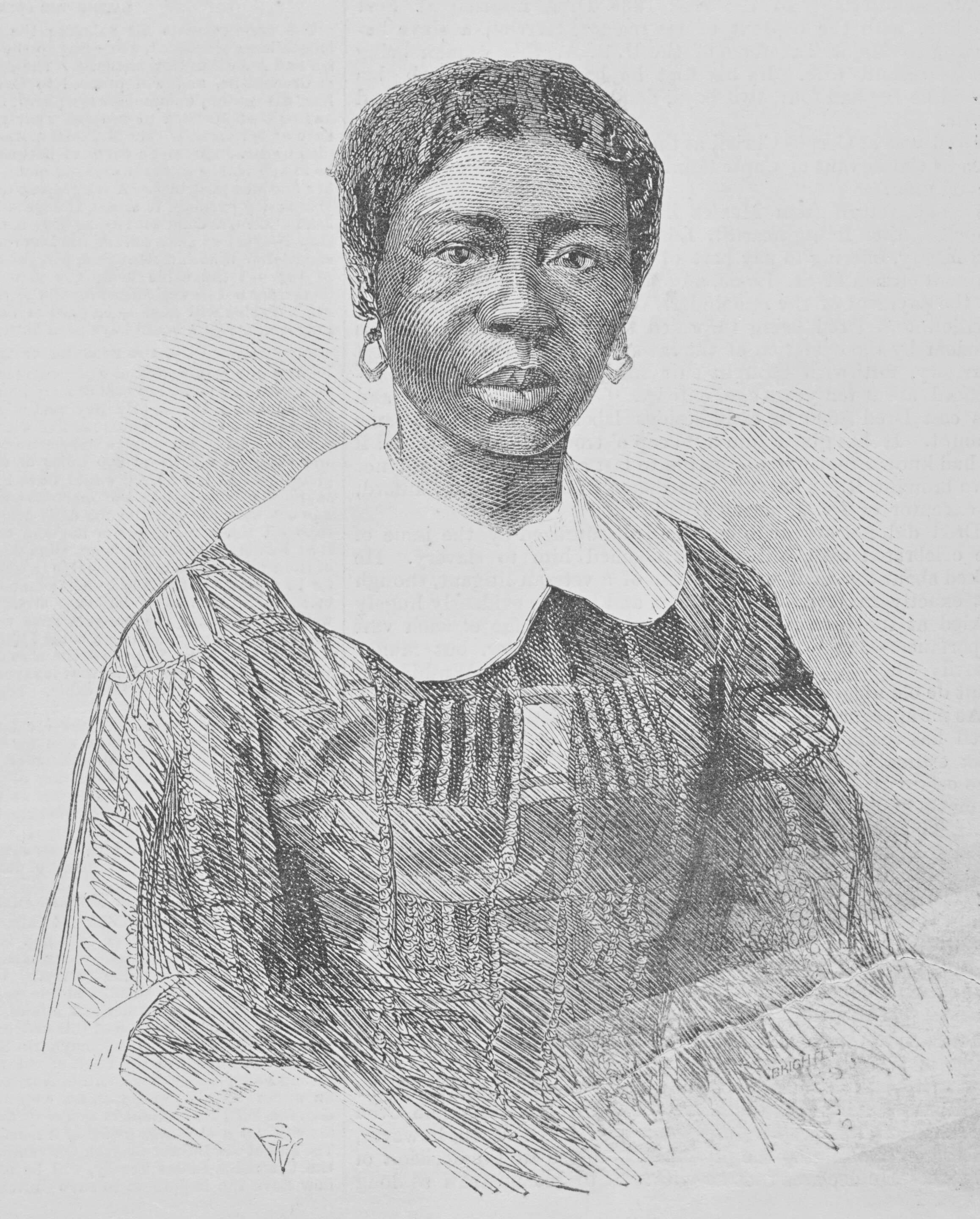
Portrait of Harriet Scott,1857.
The lawsuit, now known as Dred Scott v. Sandford, reached the U.S. Supreme Court in 1857. Chief Justice Roger Taney wrote the majority opinion, asserting that the Framers of the Constitution believed that Black people were not entitled to the same rights as White people. Whether in enslavement or liberty, he decreed, Black people did not hold U.S. citizenship. Consequently, Dred Scott and other Black individuals were not permitted to bring suits for their freedom. The Supreme Court's ruling also invalidated the Missouri Compromise, which had prohibited slavery in most northern states and territories while permitting new southern regions to join the Union as slave states. This verdict significantly contributed to the onset of the American Civil War four years later. It would not be overturned until the ratification of the 13th Amendment in 1865, which outlawed slavery, and the 14th Amendment in 1868, which granted citizenship to formerly enslaved people.
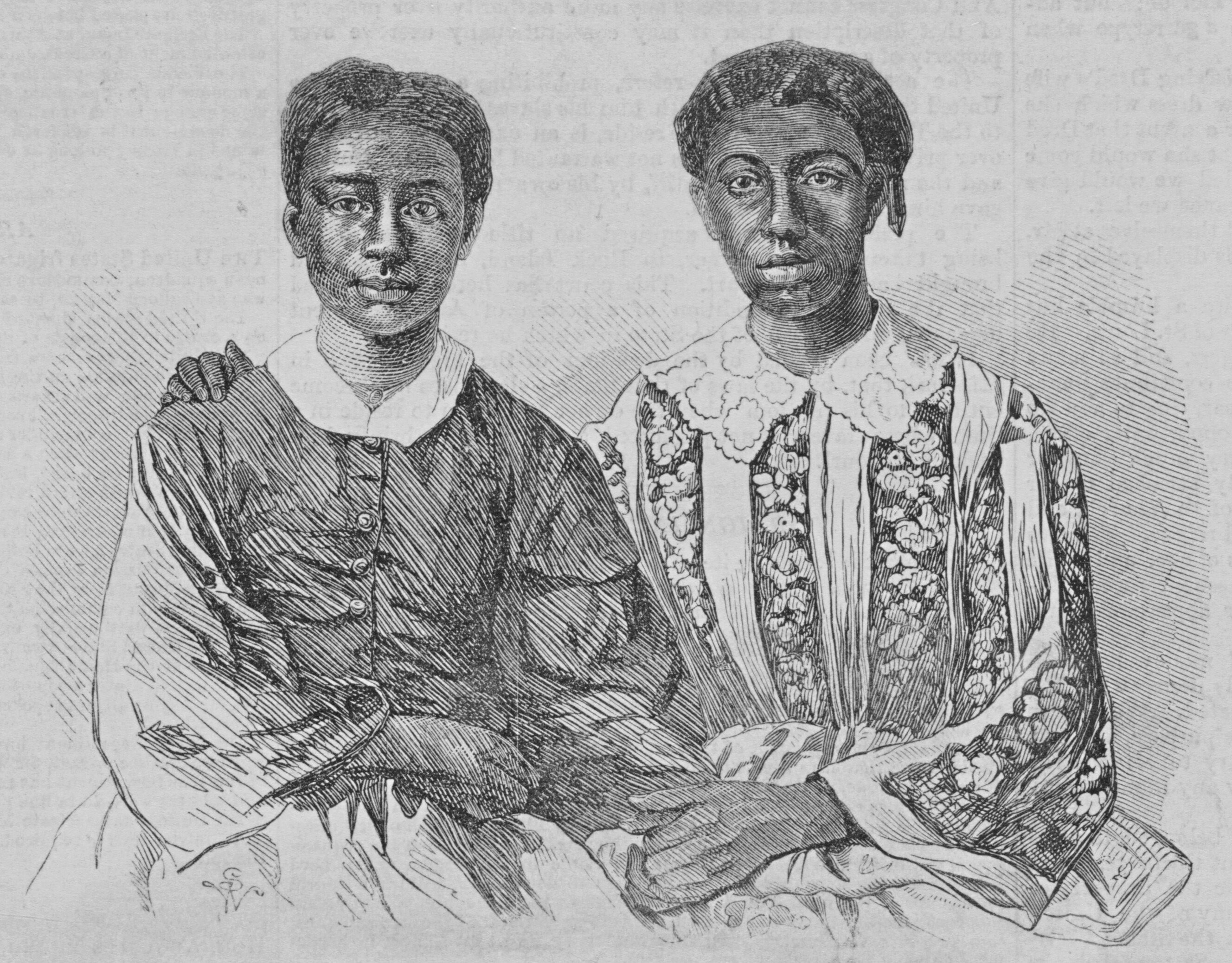
Portrait of Eliza and Lizzie Scott, daughters of Harriet and Dred, 1857.
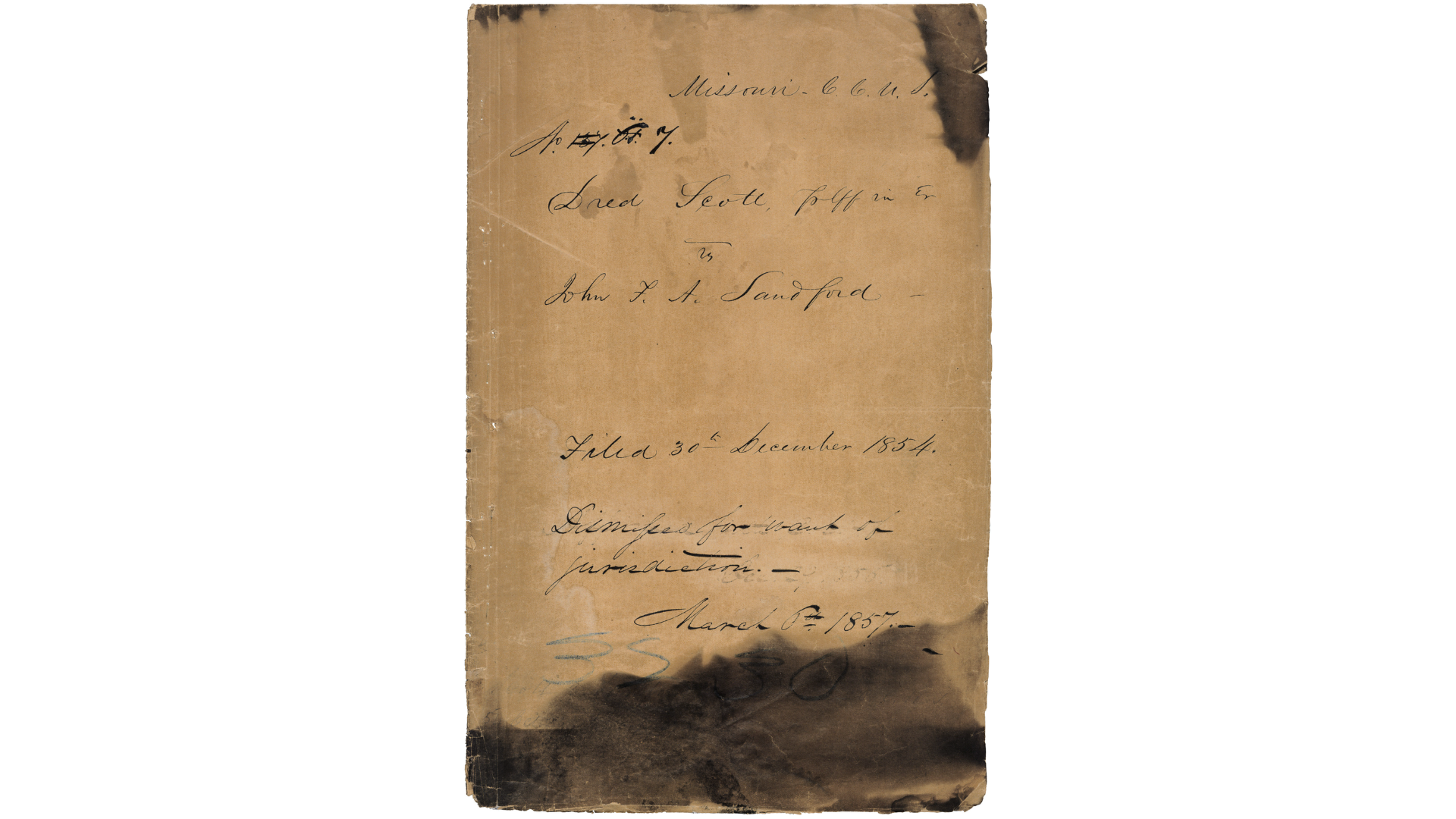
In this ruling, the Supreme Court stated that African Americans, whether enslaved or free, could not be considered U.S. citizens and were therefore unable to sue in federal court. Widely criticized, the Dred Scott decision is seen as a factor leading to the American Civil War. Subsequently, the 13th Amendment abolished slavery and the 14th Amendment granted citizenship and equal protection under the law to all individuals born or naturalized in the United States, including former slaves, effectively overturning the Dred Scott ruling.

