Elizabeth Freeman
Born in about 1744, Elizabeth Freeman, also known as Mum Bett, became one of the first African American women to win a legal case for her freedom in Massachusetts, the state known by many as the birthplace of the American Revolution. She, along with her sister and daughter, had been given to Colonel John Ashley and his wife Hannah as a wedding gift.
Colonel Ashley chaired the committee that authored the Sheffield Declaration, a 1773 petition created by the inhabitants of the town of Sheffield, Massachusetts, to express their anger over British abuse of power and their views on liberty, equality, freedom, and independence. These concepts were explicitly incorporated into the Massachusetts Constitution of 1780.
Hannah Ashley was known for her physical cruelty, and one day in the winter of 1781, she attacked Freeman with a shovel. Familiar with the concepts of the Sheffield Declaration, Freeman fled the Ashleys’ home. She sought out Theodore Sedgwick, a prominent attorney and coauthor of the Sheffield Declaration, to represent her in her pursuit of her freedom. During the trial, Sedgwick argued successfully that the Massachusetts Constitution had made slavery illegal. The jury awarded Freeman both her freedom and a payment of 30 shillings.
Shortly thereafter, in later trials, the state courts reinforced this verdict by declaring slavery incompatible with the Massachusetts Constitution.
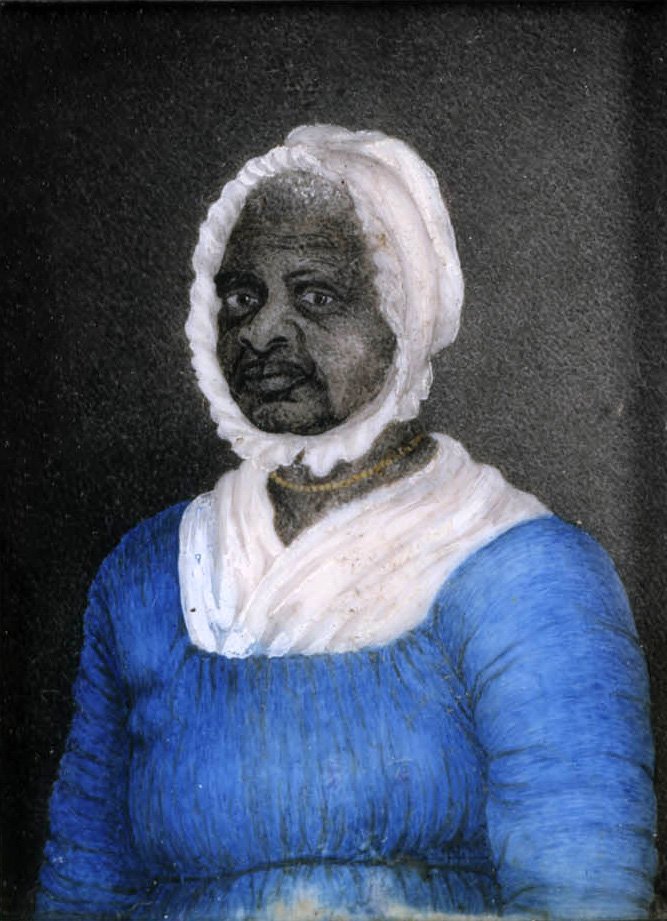
Portrait of Elizabeth Freeman (Mum Bett), 1811.
Click the + to see a comparison of the beginning of both documents.
"RESOLVED, That Mankind in a State of Nature are equal, free, and independent of each other, and have a right to the undisturbed Enjoyment of their Lives, their Liberty and Property." – Sheffield Declaration, 1773 | "Article 1. All men are born free and equal, and have certain natural, essential, and unalienable rights; among which may be reckoned the right of enjoying and defending their lives and liberties; that of acquiring, possessing, and protecting property; in fine, that of seeking and obtaining their safety and happiness." – Massachusetts Constitution, 1780 |

