Introduction
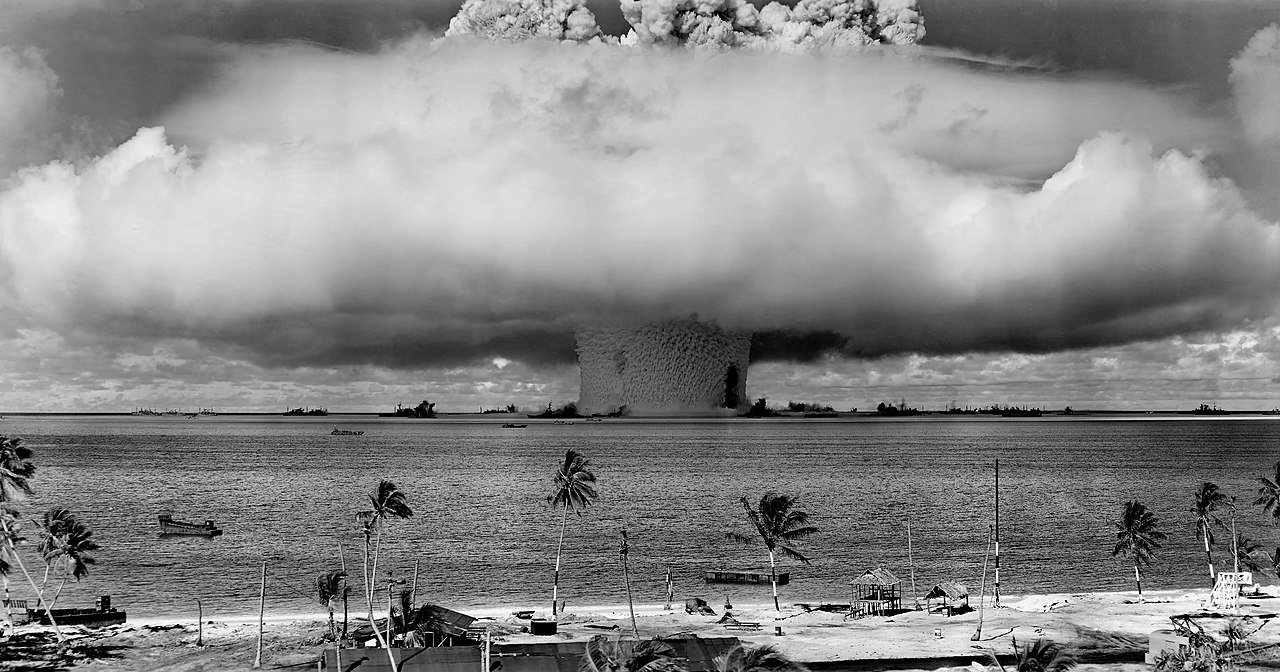
U.S. military nuclear weapon testing in the Marshall Islands, 1946.
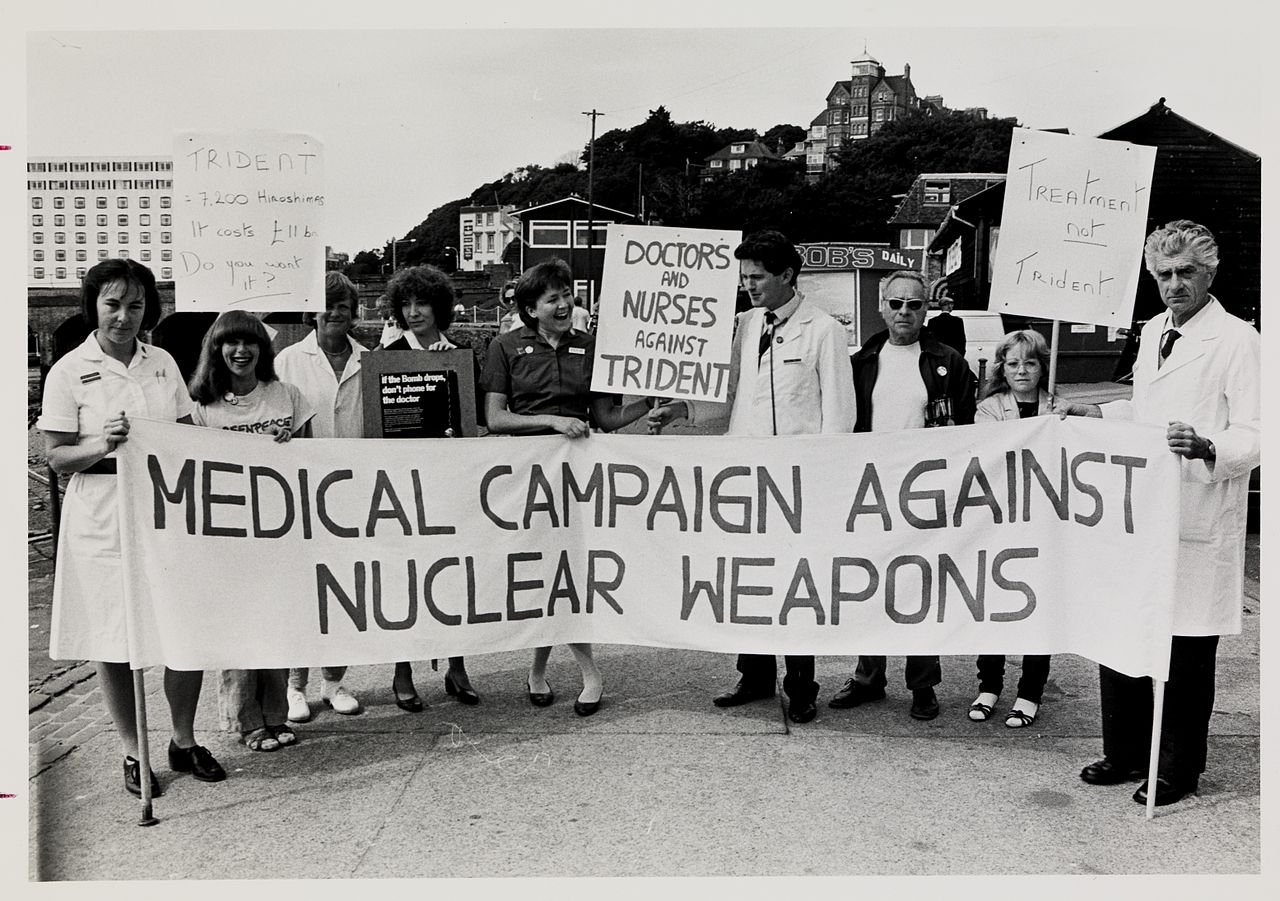
1980s' Nuclear weapons protest.
In 1945, nuclear weapons were introduced to the world when the United States dropped atomic bombs on the Japanese cities of Hiroshima and Nagasaki in the final weeks of World War II. This revolutionary technology opened a new era in weapon development, as the bombs produced energy and destruction—all powered from the energy of atoms—on an unprecedented scale. These weapons also released radiation, causing human health and environmental damage. Nuclear technology was initially developed for weapons but was later applied to peaceful uses, including energy for the creation of electricity. Today, at least nine nations have nuclear weapons and many more have nuclear power plants. Current trends indicate more government spending on weapons, possible nuclear weapons in space, and increasing nuclear threats from global leaders.
In this lesson, you will learn what nuclear weapons are and how they differ from conventional weapons. You will also explore the similarities and differences between nuclear weapons and nuclear energy and investigate these topics using terms related to nuclear technology. As you complete this lesson, consider what additional questions you have about nuclear weapons as you answer the essential question.
Essential Question
Why are nuclear weapons considered "world-changing" technology?
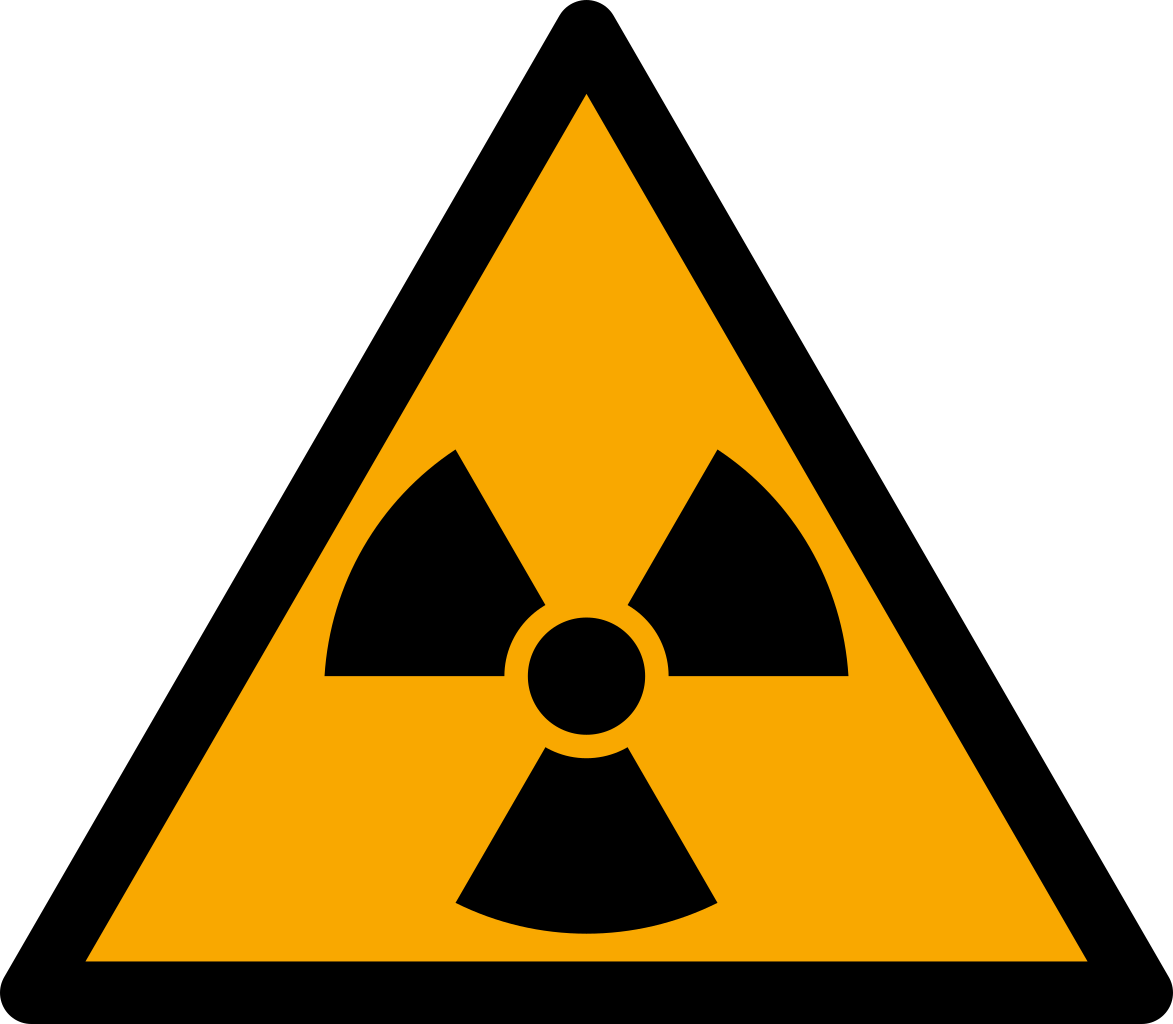
International symbol for radiation.
