Enlightenment Philosophy
Known as the “Age of Reason,” the Enlightenment was an intellectual, scientific, and philosophical movement in Western Europe during the 17th and 18th centuries. The framers drew heavily upon Enlightenment principles when crafting the U.S. Constitution. Influenced by Enlightenment thinkers like Locke, Montesquieu, and Rousseau, they aimed to establish a government rooted in reason, individual rights, and the pursuit of liberty. These men believed that leaders derived their power not from God, but from the people.
John Locke (1632–1704) believed that all people are born with natural rights, such as the right to life, liberty, and property. He thought that these rights were given to people by nature, not by any government or ruler. Locke believed that it was the government's job to protect these rights, and if a government failed to do that, the people had the right to change or even get rid of that government. One of Locke's most important ideas was the concept of the "social contract." He said that people come together to form a government that would protect their rights and keep them safe. This government would only work if the people agreed to follow its rules, and the government, in turn, had to protect the people's rights. He also believed in religious tolerance and the separation of church and state. Thomas Jefferson used Locke’s ideas to write the Declaration of Independence. The U.S. Constitution itself is a social contract, since it carefully outlines what the government can—and cannot—do.
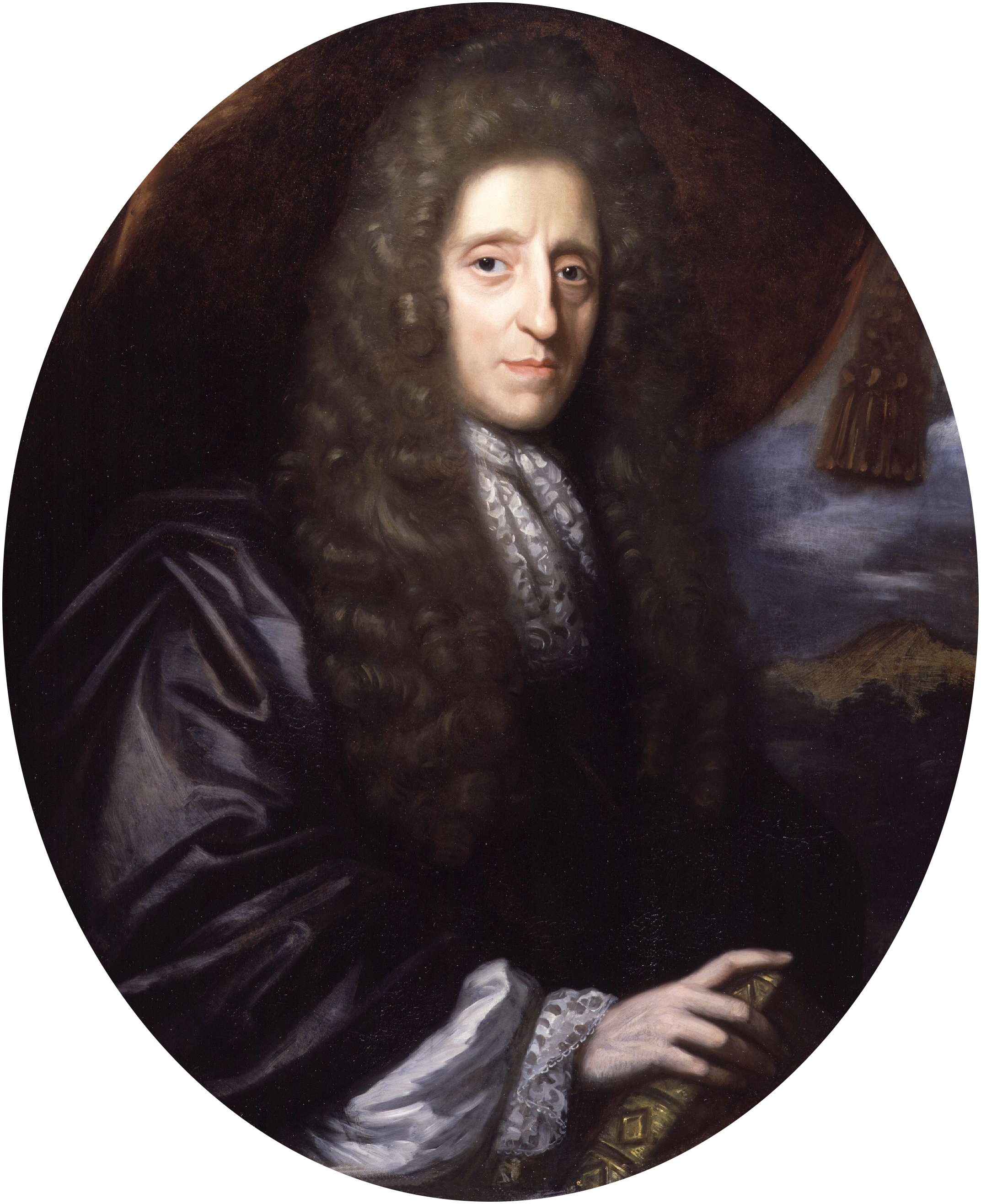
John Locke believed that people have rights given by nature.
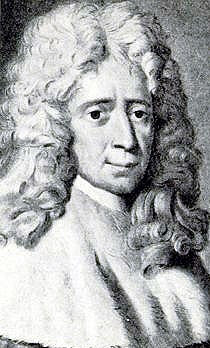
The Baron of La Brède and of Montesquieu was a French philosopher commonly referred to as Montesquieu.
Montesquieu (1689–1755), whose given name was Charles-Louis de Secondat, was a French lawyer and philosopher. He grew up during a time when France had a powerful monarchy. As a result, Montesquieu was especially interested in how a government could prevent one person or group from becoming too powerful. He believed in the "separation of powers" with a system of checks and balances: Instead of a monarch in charge of the entire government, the government should be divided into different parts, or branches. Each branch would have its own responsibilities, and these would ensure that no one branch could obtain too much power.
Jean-Jacques Rousseau (1712–1778) was a Swiss philosopher who believed in popular sovereignty and the social contract. Rousseau thought that a government’s ability to rule was rooted in the authority of the people it governs. He argued that the power of any government depends on the consent of the governed, meaning that people willingly give up some of their freedoms in exchange for protection and the common good. In essence, Rousseau's ideas laid the foundation for the belief that governmental power should come from and be shaped by the will of the people.
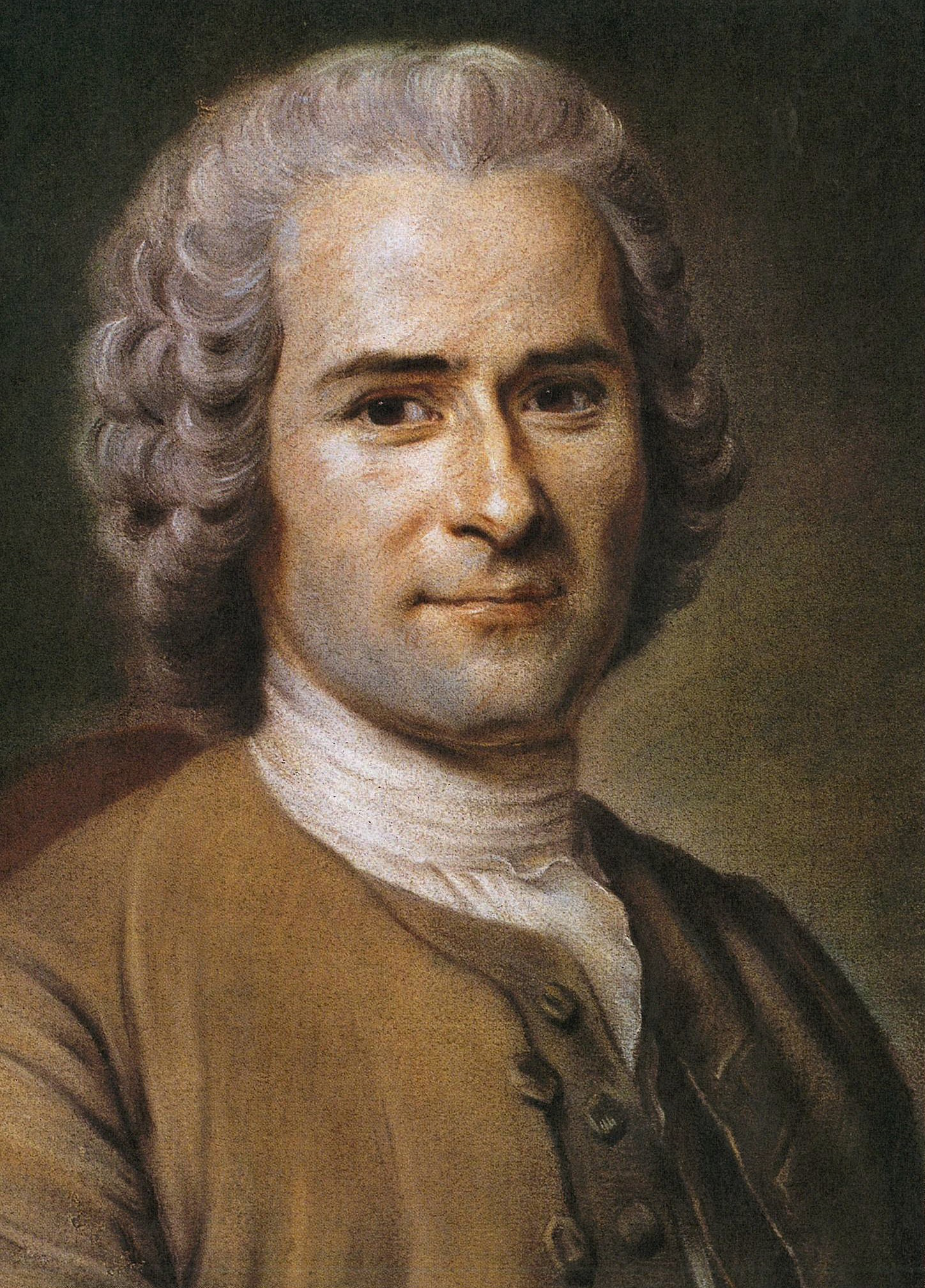
Jean-Jacques Rousseau believed that the power of the government is given by those it governs.
Take Notes
Fill out the Enlightenment Philosophy section of the chart below.

