Ancient Greece and Rome
–Thomas Jefferson, paraphrasing ancient Greek philosopher Epicurius
The education of elite white men of 18th century America typically included ample instruction on ancient literature from Greece and Rome. For example, framers John Adams, James Madison, and Thomas Jefferson studied the works of Greek and Roman philosophers in school, and frequently translated the writings of authors like Cicero and Plutarch into English. As a result, these men shared a cultural background and often referenced classical works in their letters to each other. In fact, in their letters, the framers wrote the word “virtue” more frequently to each other than words like “liberty.”
George Washington had limited formal schooling, yet he hoped to live his life according to the values of the ancient Romans. Throughout his military and political rise to power, he tried to model himself as the Roman politician Cato: “honorable, honest, patriotic, and self-sacrificing.” At the end of his career, Washington returned to his home in Mount Vernon, in the tradition of the Roman military leader Cincinnatus. Like Cincinnatus, Washington demonstrated his desire to ensure the government ran as it was intended—by the people, not by tyrants.
The framers were attracted to the concepts of republican virtue, the idea that government leaders had to overcome their own self interests to make decisions that benefited the public good, and opposed tyranny. In times of crisis, the framers repeatedly turned to classical studies to seek wisdom.
They were also drawn to the concept of the rule of law. This idea came from the Greek philosopher Aristotle’s concept of natural law, the belief that all people have inherent rights that they are born with (and are more important than laws created by people). In the United States, the rule of law came to mean that all persons would be treated equally and justly and held accountable for their actions. This concept is the basis of the U.S. Constitution.
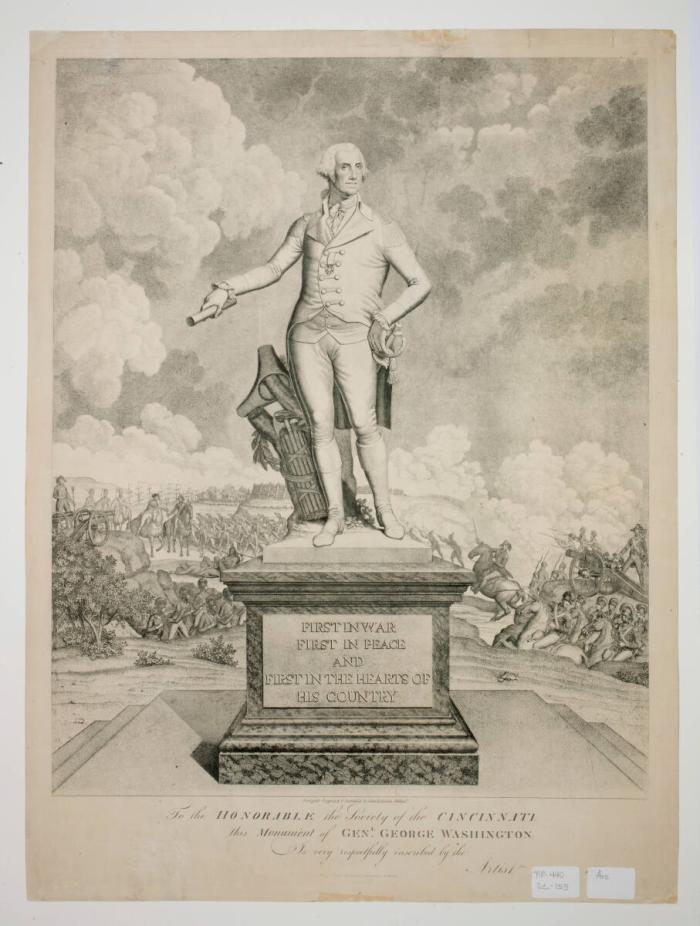
An 1806 monument of General George Washington in a Classical style.
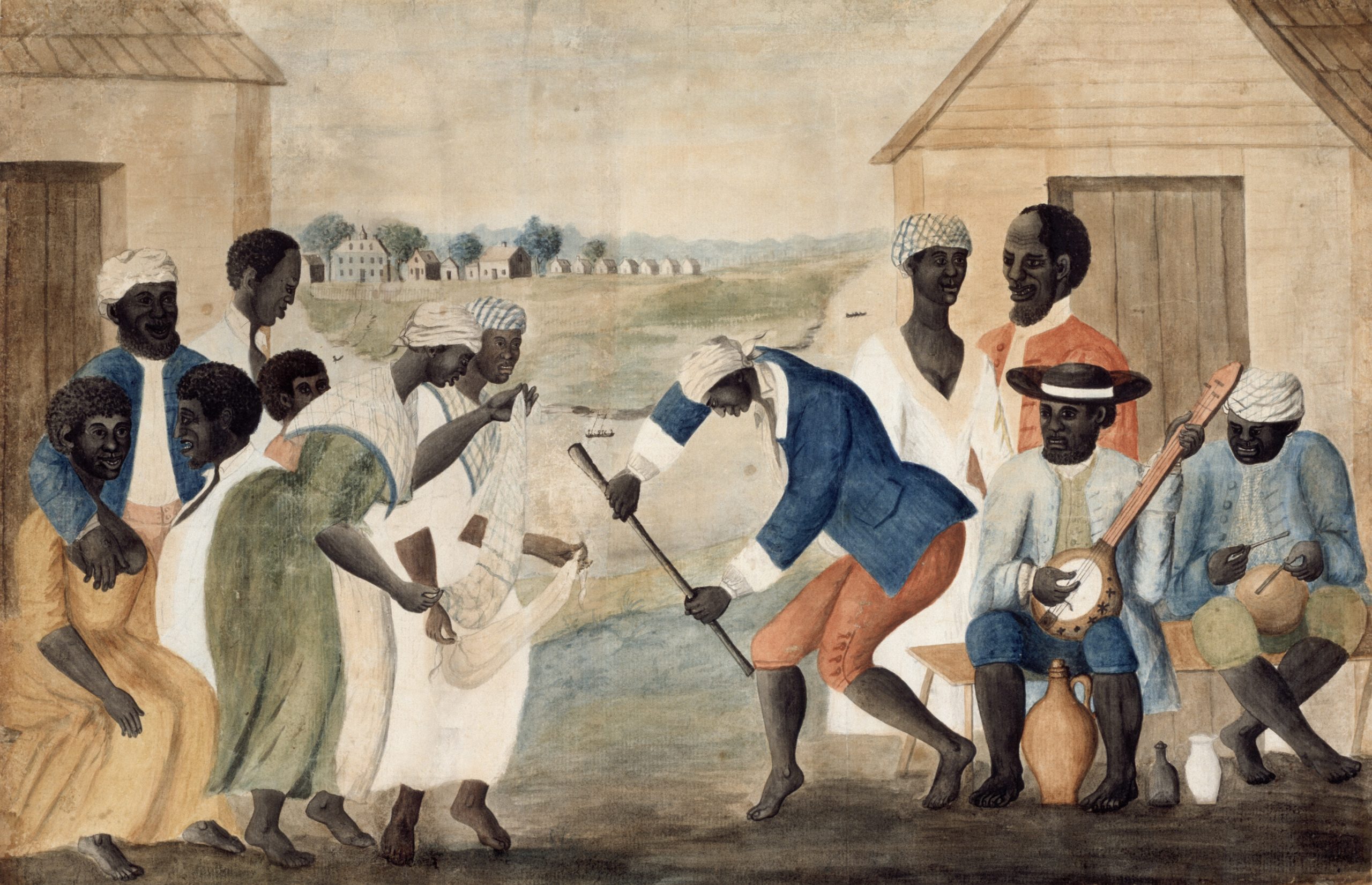
A late 18th century watercolor depicting enslaved people during a moment of celebration. The painting is attributed to John Rose, who was an enslaver in South Carolina.
There was another commonality between the ancient world and colonial America. The existence of slavery in Greece and Rome enabled the framers to rationalize their owning of enslaved people while speaking on the virtues of liberty. Enslaved people at Washington’s estate, Mount Vernon, were given classical names like Cupid, Cato, or Cicero. Without ever explicitly being mentioned, slavery was enshrined in the U.S. Constitution through compromises such as the Three-Fifths Clause.
Take Notes
As you proceed through this Interactive Lesson, you'll identify the concepts from each source and how they are reflected in the U.S. Constitution. Fill out the Greece and Rome, Classical Ideas section of the chart below.

